

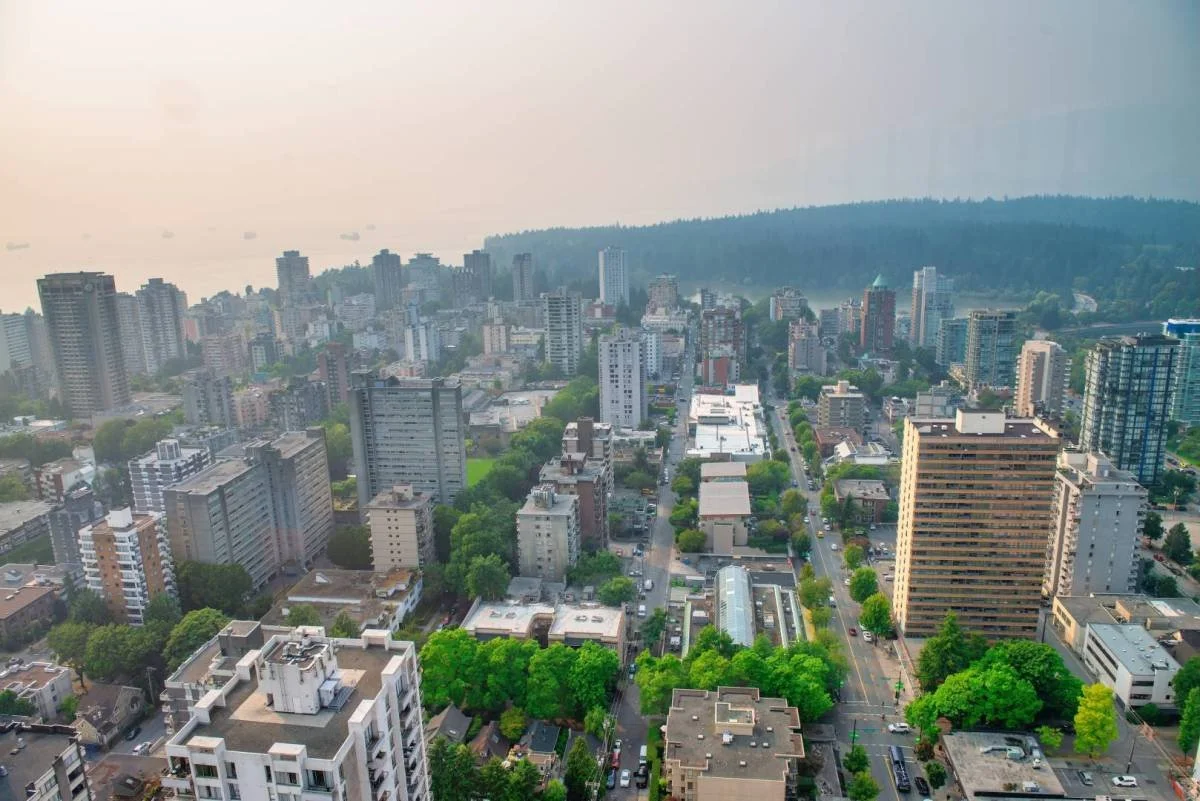
Vancouver needs 10,000 units that rent at the shelter rate of $500/month.
This would provide housing for the city’s approximately 3,500 unhoused residents and replace housing for the 6,500 residents of Single Room Occupancy (SRO) hotels.
FAQs
What is “the shelter rate,” and why do we need housing available for this amount?
The “shelter rate” is the maximum amount of money the provincial government provides for shelter costs for B.C. residents who receive income or disability assistance.
As of 2026, this amount is $500/month for single people. Families get more, depending on the number of people in the household. This amount used to be $375 (!!!) and was only increased in 2023.
Additionally, seniors whose income comes from the Canada Pension Plan and the Guaranteed Income Supplement (GIC) receive around $2,000/month. If they limit their housing expenses to 30% of their income (the rate that’s considered “affordable”), all they can spend is $600/month on rent, which we sometimes refer to as the shelter pension rate.
Therefore, we need “shelter rate housing” so that the poorest in our society can afford housing.
How do you know Vancouver has 3,500 unhoused residents?
Every month, B.C.’s Ministry of Poverty Reduction tracks the number of people who receive income assistance who have “no fixed address” (NFA).
In April 2026, this number was 3,218, with 63% of those (2,022) living in DTES.
However, this number doesn’t capture other unhoused folks, such as seniors and immigrants, who are not receiving income assistance.
So, while we don’t know the precise number of unhoused folks in Vancouver, 3,500 is a reasonable estimate.
Why do we need new housing for people in SROs? They’re already housed.
SROs have rooms about 100 square feet with a shared washroom down the hall and no cooking facilities.
Many haven’t been maintained and have pests like roaches and bed bugs.
While some SROs have been kept up and have a community of residents, the housing is not adequate for supporting a high quality of life.
Furthermore, SROs are extremely vulnerable in a earthquake, because they were built so long ago, putting many lives at risk.
Finally, private SROs are at risk of being torn down and redeveloped into apartments unaffordable to those on income and disability assistance.
As of January 2023, the city had 6,567 SRO rooms.
People on income and disability assistance are frequently excluded from most housing, including so-called social housing, because they are too poor to pay for it.
Definitions of terms
Politicians and pundits like to use these terms without defining them. Yet most of these terms have multiple meanings, depending on the context.
It can be useful to ask someone: “What exactly do you mean by that?” when they use one of these common — yet frequently misunderstood — terms about housing.
Affordable housing
In Canada, housing is generally considered “affordable” if your housing costs do not exceed 30% of your income.
This number is a common benchmark for determining affordability, but it is not universal.
In Vancouver, the average monthly rent for a 1-bd apartment was $2,455 in June 2026. This means that you would need an annual salary of $100,000 for that housing to be considered affordable for you.
In 2023, the median income for Vancouver residents who filed their taxes was $45,230. For housing to be considered “affordable” at this income level, it would have to be less than $1,200/month.
Market housing
Market housing is housing that is privately owned by an individual or company that costs what “the market can bear,” i.e., the amount a landlord or owner thinks they can get away with charging, relative to what everyone around them is charging.
This applies whether renting or selling.
Anything that costs at less than the average market rate can be called “below-market” housing. However, that does not mean it would be affordable — see the definition for affordable housing.
Non-market housing
As defined by BC Housing, non-market housing is any housing subsidized by the government or provided by non-profits, but that doesn’t mean it’s technically affordable.
For example, some BC Housing units are designated as “market rent housing” and cost roughly the same as the private market.
However, you’re not allowed to apply if you make more than a certain income threshold. For example, a single person can only rent a studio or 1-bd with BC Housing and must have an income below $84,780. As you can see in the definition for affordable housing, this income not enough to “afford” a 1-bd apartment in Vancouver at average market rents.
Social housing
Social housing is generally considered any housing that nobody makes a profit from.
The Province defines social housing as housing owned by a non-profit, co-op, or government where rents are subsidized and the household income of tenants is below certain thresholds.
However, the City of Vancouver has its own definition of social housing in its Zoning and Development By-law (see p44), which is: Rental housing owned by a non-profit or government where 30% of the units rent below housing income limits (HILs).
This means 70% of the units in a social housing development in Vancouver can cost the same as market rent. It also means that none of the units have to be available at the shelter rate, therefore excluding anyone surviving on income or disability assistance, or on basic pension.
The Oppenheimer District of the DTES used to have special zoning that required all “social housing” in the area to provide 33% of units at the shelter rate.
Vancouver City Council voted to change this to 20% in December 2025.
Housing Income Limits (HILs)
HILs is a metric established by BC Housing that sets the maximum income, depending on geography, allowed for a household to rent a subsidized unit that matches its household size.
In other words, a single person living in Vancouver must have an income of less than $58,000 to be eligible to apply for a 1-bd unit or smaller in a subsidized building.
However, people earning less than $40,000 are frequently not accepted for HILS units.
Supportive housing
Supportive housing is housing that includes ongoing and on-site supports to help residents live independently.
This can include housing for seniors that provides services such as meals and housekeeping or housing for those with mental illness and substance use that includes 24/7 support staff.
Here are some solutions:
-
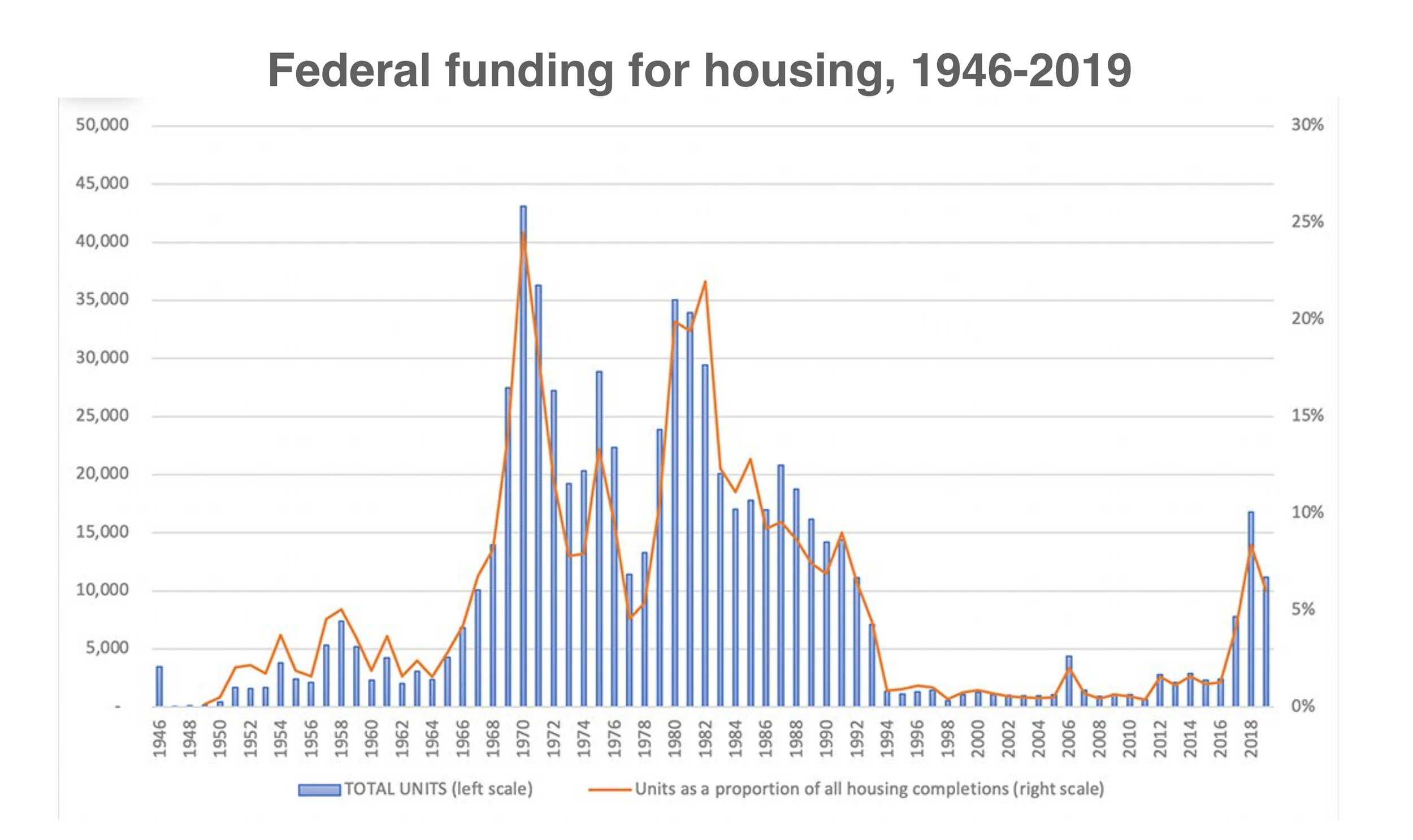
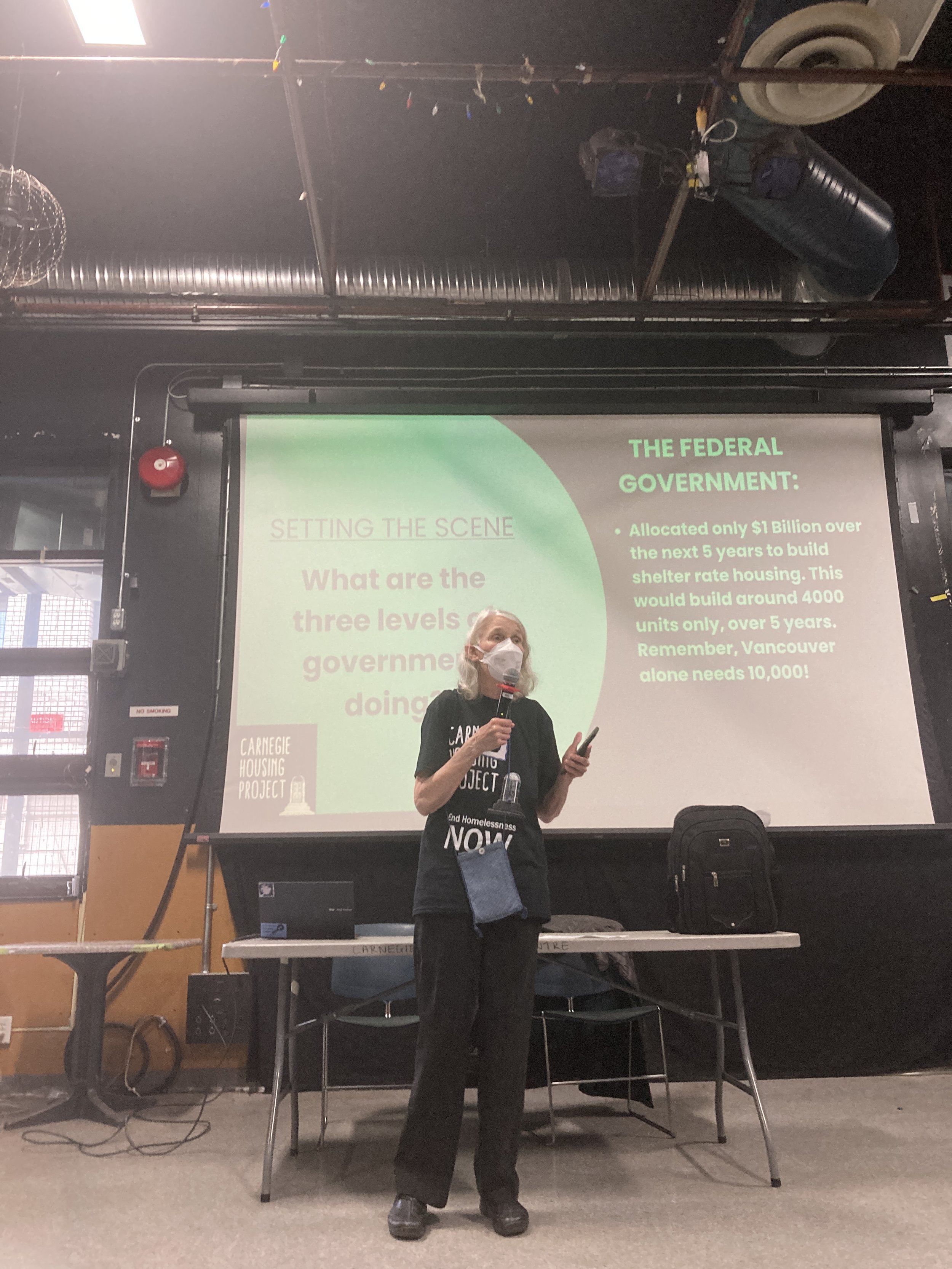
Increase their commitment to shelter-rate housing from $1 billion over 5 years for all of Canada (less than what they’ve committed on AI) to $10 billion over 10 years for Vancouver alone. This commitment should come with a guarantee that funds go to housing for folks who are unhoused or living in SROs.
They could also tax the super rich and change tax policies that encourage the financialization of housing
-
Commit to building shelter rate social housing at publicly owned yet unused sites in DTES:
301 E Hastings, announced in 2024 as a project by the Province yet still an empty lot
The Regent Hotel, which has a plan for renovation yet nothing is happening
The Balmoral Hotel site, sitting vacant with no action for creating housing, despite the old building being demolished
True commitment would include a binding MOU between the Province and the City, funding sources, construction start dates, and community oversight.
This action alone could deliver 400-500 units in a relatively short time frame because the land is already available.
Restart the Community Housing Fund, which it paused in early 2026.
Require all DTES projects funded by provincial dollars to provide at least 30% of units at shelter rate.
-
Restore the zoning in the DTES from the 2014 local area plan that required 30% shelter rate units in all social housing.
Use City-owned land for non-market housing for low- and middle-income people, not to generate revenue with high rents.
End the pause on supportive housing.
End the attempt to close the SROs on Granville St.
End rezoning requirements for non-market housing that has 30% of units renting at shelter rate.
Fiercely lobby the provincial and federal governments for the money necessary to fund 10,000 shelter rate units in Vancouver.
More evidence for building shelter-rate units
It’s cheaper to build housing and let people live in it than the status quo
Societies with more equality are safer than societies with wealth disparity
Housing people reduces pressure on our health care system
How you can help
Help us create a DTES Housing Plan that will truly serve this community by coming to our events or supporting our efforts in other ways.
Phone and email your MP and ask them to commit to funding shelter-rate housing specifically.
Phone and email your MLA and ask them to support building shelter-rate housing on three publicly owned yet vacant lots in DTES: 301 E Hastings, the Regent Hotel, the Balmoral Hotel.
Share this page with family and friends and tell them that we can end homelessness by building shelter-rate units.